
What Is Blockchain Technology in Simple Words? One Essay to Truly Understand Blockchain

Imagine sending money to a friend overseas right now. You open an app, hit “send,” and hope the bank processes everything correctly. You trust that no one tampers with the transaction, no hidden fees appear later, and no system error delays your money for days. But what if there were a way to record that transfer so everyone could verify it, no one could secretly change it afterward, and no single company controlled the whole process?
That question sits at the heart of why millions of people keep searching what is blockchain technology in simple words. As crypto markets swing wildly, regulations evolve, and digital assets move from niche experiments to real financial infrastructure, curiosity around blockchain technology has never been higher. People don’t just want prices anymore. They want understanding.
If you’ve ever felt lost reading overly technical explanations, this essay is for you. By the end, you won’t just know what is blockchain technology — you’ll genuinely understand why it exists, how blockchain technology works, and why blockchain technology keeps showing up in conversations about money, security, and the future of the internet.
What Is Blockchain Technology in Simple Words and Why People Care
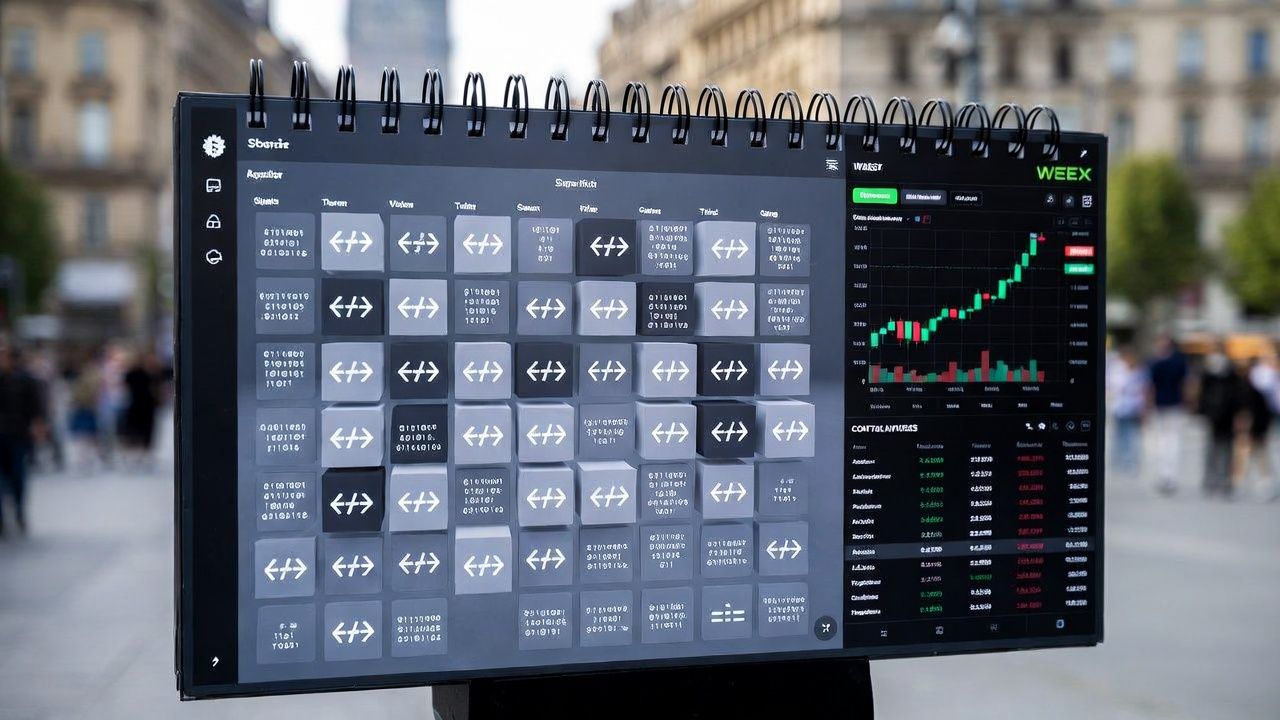
To understand what is blockchain technology in simple words, picture a shared notebook sitting in a public square. Anyone can read it. Anyone can write in it. But once something is written, it cannot be erased or secretly edited. Every new page references the one before it, so if someone tried to remove or alter an old entry, everyone would notice immediately.
That notebook is blockchain.
At its core, what is blockchain technology is about shared trust. Instead of relying on a bank, a company, or a government to keep records honest, blockchain technology spreads that responsibility across thousands of computers around the world. This is why understanding blockchain doesn’t require programming skills; it requires understanding how trust can be distributed instead of centralized.
When people ask what is blockchain technology and how does it work, they are really asking how strangers can agree on the truth without a referee. Blockchain technology answers that question using cryptography, transparency, and collective verification rather than authority.
Understanding Blockchain Through a Real-World Analogy
Think about how Google Docs works. When multiple people edit the same document, everyone sees updates almost instantly. No single person secretly controls the file, and changes are visible to all collaborators.
Blockchain technology follows a similar idea, but instead of text edits, it records transactions and data. This comparison helps simplify understanding blockchain because blockchain technology behaves less like a private database and more like a shared public record.
Once you grasp that, what is blockchain technology in simple words stops feeling mysterious and starts feeling logical. It’s not a product or a coin. It’s a system for recording truth together.
What Is Blockchain Technology and How Does It Work in Practice?
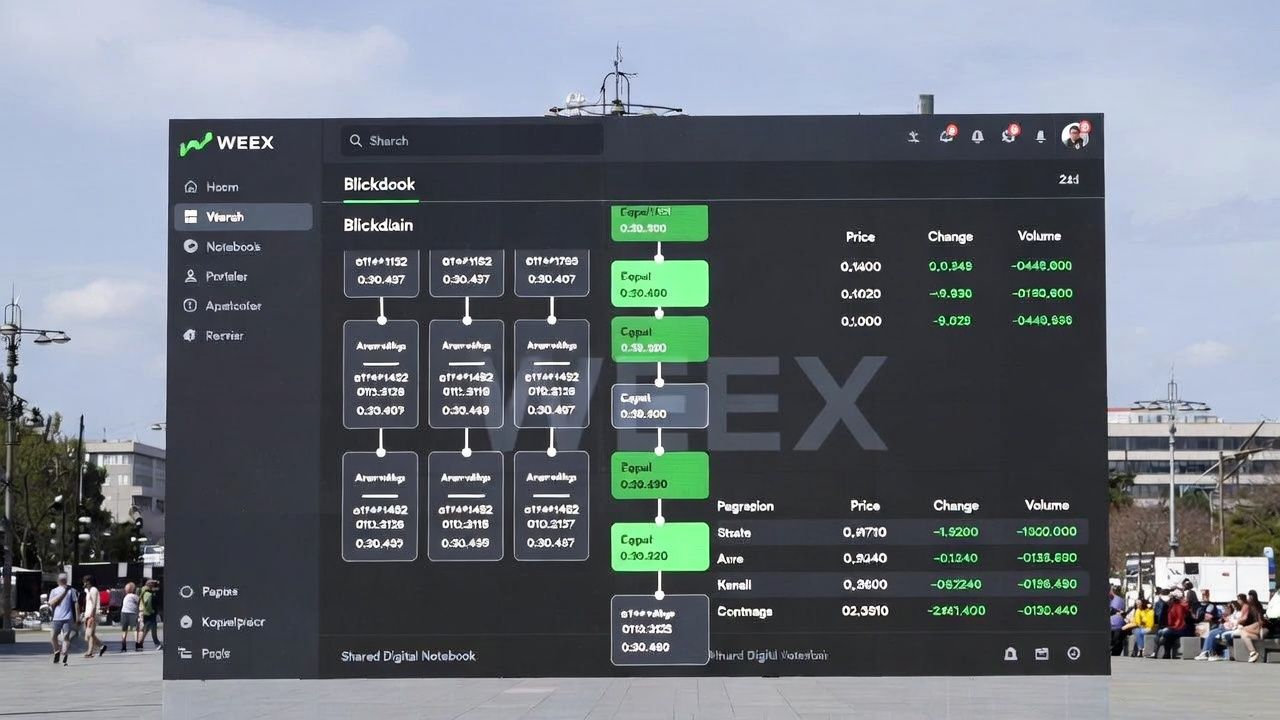
When explaining what is blockchain technology and how does it work, many guides jump straight into jargon. A simpler way is to imagine a timeline that grows forward and never rewinds.
Every few minutes, new information is grouped together into a “block.” This block contains transaction data, a timestamp, and a cryptographic fingerprint that links it to the previous block. Once verified by the network, it becomes a permanent part of the chain.
Because copies of this chain exist across thousands of computers, changing a single copy achieves nothing unless the majority agrees. On large networks, that level of coordination is practically impossible. This design is exactly why understanding blockchain often leads people to trust blockchain technology more than traditional systems.
Banks can revise records. Corporations can alter databases. Blockchain technology resists that by design.
What Is Blockchain Used For Beyond Cryptocurrency?
Many newcomers still believe what is blockchain used for begins and ends with Bitcoin. That confusion exists because cryptocurrency was blockchain technology’s first major success.
Today, what is blockchain used for extends far beyond digital money. Companies use blockchain technology to track supply chains, verify digital identities, process international payments, manage digital ownership, and secure financial settlements. Governments and enterprises explore blockchain technology not because it’s trendy, but because it reduces reconciliation costs and increases transparency.

As people deepen their understanding of blockchain, they often realize blockchain technology functions more like a new accounting standard than a speculative asset.
Types of Blockchain and Why They Exist
As blockchain technology evolved, different types of blockchain emerged to meet different needs. Some prioritize openness and decentralization, allowing anyone to participate. Others restrict access for businesses that need tighter control over sensitive data. Consortium models sit in between, sharing governance among trusted institutions.
These variations don’t change what is blockchain technology in simple words. They simply adapt the same core idea to different environments. Regardless of structure, the foundation of blockchain technology remains the same: immutable records and distributed verification.
That consistency is why understanding blockchain applies across industries, not just crypto.
What Is Blockchain Technology and Cryptocurrency Really About?
To explain what is blockchain technology and cryptocurrency, it helps to separate infrastructure from application. Blockchain technology is the railway. Cryptocurrency is one of the trains running on it.
This distinction matters because many investors confuse price volatility with the value of the technology itself. What is blockchain technology remains stable even when crypto markets fluctuate. Cryptocurrency prices rise and fall, but blockchain technology continues recording, securing, and validating data without interruption.
This perspective often reshapes how people approach speculation. The technology is long-term. Individual tokens are short-term expressions built on top of it.
The Difference Between Cryptocurrency and Blockchain Technology
When people search what is the difference between cryptocurrency and blockchain technology, they’re asking a structural question. Cryptocurrency is a digital asset. Blockchain technology is the system that allows that asset to exist without a central authority.
Without blockchain technology, cryptocurrency would collapse into a traditional database controlled by someone. Without cryptocurrency, blockchain technology would still power many real-world applications. That imbalance explains why enterprises adopt blockchain technology even when they avoid issuing tokens.
This difference is essential to understanding blockchain beyond price charts and hype cycles.
Blockchain Technology and Cryptocurrency Exchanges Explained
Once users understand what is blockchain technology cryptocurrency exchanges, they begin to see exchanges not as coin casinos, but as bridges between traditional finance and blockchain systems.
Cryptocurrency exchanges rely on blockchain technology to verify ownership changes, settle trades, and ensure transparency. A well-designed exchange doesn’t fight blockchain principles; it aligns with them.
This is where WEEX fits naturally into the ecosystem. WEEX focuses on providing a secure and efficient trading environment while respecting the transparency and reliability that blockchain technology promises. Instead of overwhelming users with unnecessary complexity, WEEX emphasizes usability, helping newcomers and experienced traders alike engage with blockchain technology in a practical way.
For many people beginning their journey into understanding blockchain, platforms like WEEX act as bridges rather than barriers.
Why Understanding Blockchain Matters More Than Ever?
In 2026, blockchain technology is no longer experimental. It is quietly integrating into payment rails, asset custody systems, and global settlement layers. People who understand what is blockchain technology in simple words gain an edge — not because they trade better, but because they understand how trust is shifting in the digital world.
The reason what is blockchain technology keeps trending isn’t hype. It’s relevance. The internet changed how we share information. Blockchain technology is changing how we agree on truth.
Once that clicks, understanding blockchain stops being optional.
Final Thoughts on What Blockchain Technology Really Is
If someone asks you tomorrow what is blockchain technology in simple words, you don’t need buzzwords or grand promises. You can say this:
Blockchain technology is a shared, tamper-resistant record system that replaces blind trust with collective verification.
That single idea explains what is blockchain technology, how blockchain technology works, what blockchain is used for, and why blockchain technology underpins cryptocurrency exchanges and platforms like WEEX.
The future of blockchain isn’t loud. It’s structural. And understanding it now means you won’t be confused when it quietly becomes part of everything.