
Spirit Airlines Stock: What Happened to SAVE and SAVEQ


Spirit Airlines stock has become a case study in how fast equity value can disappear when bankruptcy, delisting, debt pressure, and operating shocks collide. For years, many investors knew Spirit by its NYSE ticker, SAVE. That version of the trade is no longer the same story.
As of May 4, 2026, Spirit Airlines has started an orderly wind-down of operations, and the company says all flights have been cancelled. For anyone researching spirit airlines stock, the key point is simple: this is not a normal airline recovery trade anymore. The stock history now runs through bankruptcy court, delisting notices, cancelled equity, OTC trading, and severe liquidity risk.
What Happened to Spirit Airlines Stock?
Spirit Airlines was once a publicly traded ultra-low-cost carrier, but its equity became highly distressed after a series of financial setbacks. The airline filed for Chapter 11 bankruptcy in November 2024, and the New York Stock Exchange began delisting proceedings against Spirit Airlines Inc. common stock, ticker SAVE.
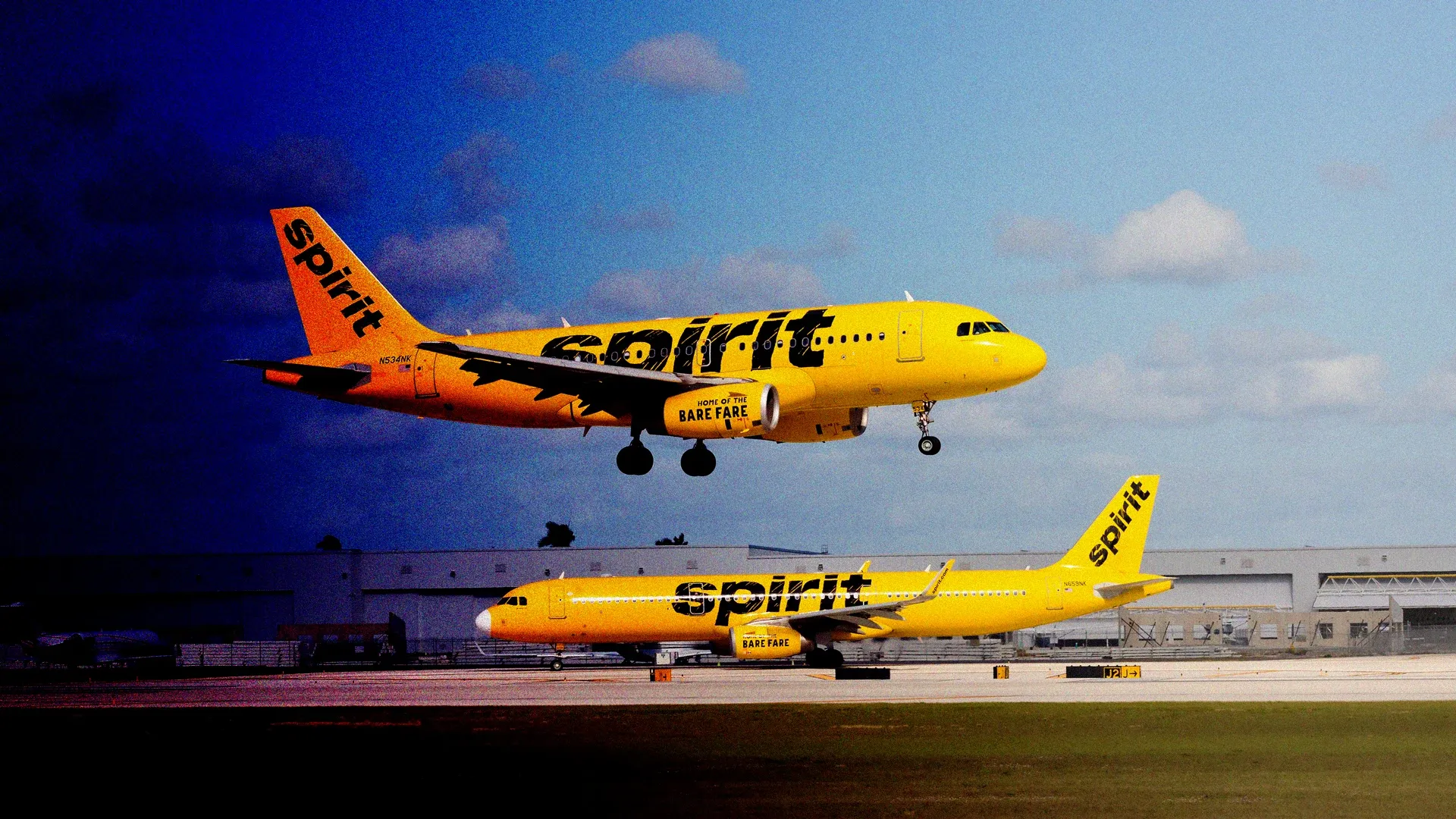
The NYSE said trading in SAVE would be suspended immediately after Spirit disclosed its prearranged Chapter 11 process. More importantly, Spirit had disclosed that existing common stock and other equity interests were expected to be cancelled without distributions to those holders.
That is the part many retail traders miss. A stock can still show up in quotes, message boards, or OTC references while the economic claim behind it has already been structurally impaired.
| Date | Event | Why it mattered |
|---|---|---|
| Nov. 18, 2024 | Spirit filed Chapter 11 and NYSE began delisting SAVE | SAVE stopped being a normal listed airline stock |
| Nov. 19, 2024 | SAVEQ began trading on OTC Pink, according to filings | OTC trading carried extreme speculative risk |
| Mar. 12, 2025 | Spirit emerged from restructuring | Prior common stock was cancelled |
| Aug. 29, 2025 | Spirit Aviation Holdings filed another Chapter 11 case | The business remained financially unstable |
| May 2, 2026 | Spirit began an orderly wind-down | All flights were cancelled and operations entered shutdown mode |
Is Spirit Airlines Stock Still Trading?
The better question is: which Spirit Airlines stock are you looking at?
The old SAVE shares were delisted from the NYSE after the 2024 bankruptcy filing. SAVEQ represented OTC trading connected to the distressed equity process, but OTC trading during bankruptcy is not the same as owning a healthy public company. In March 2025, Spirit said the old common stock was cancelled when it emerged from restructuring.
After that, Spirit Aviation Holdings later traded under a different equity structure, but it also faced delisting pressure after another Chapter 11 filing in 2025. By May 2026, the operating company had announced a wind-down.
For practical purposes, spirit airlines stock should be treated as a distressed bankruptcy-equity situation, not a standard airline stock investment.
Why Did Spirit Airlines Collapse?
Spirit’s problems did not come from one bad quarter. The bigger issue was that the company’s low-cost model became harder to defend as fuel prices, debt, aircraft costs, labor pressure, and competitive pricing all moved against it.
Spirit’s official May 2026 wind-down statement pointed to a recent material increase in oil prices, pressure on the business, and the lack of additional funding. Management said the company had reached a restructuring agreement in March 2026 that could have supported a go-forward business, but the fuel-price shock left it needing hundreds of millions of dollars in additional liquidity.
The more important market lesson is that low-margin companies can look cheap right before they become uninvestable. Airlines already face high fixed costs, cyclical demand, fuel volatility, and debt refinancing risk. When those pressures hit a leveraged company at the same time, common equity is usually the weakest part of the capital structure.
What Investors Can Learn From Spirit Airlines Stock
Spirit Airlines stock shows why distressed equities can be dangerous even when the ticker still appears active. A low share price does not automatically mean upside. In bankruptcy, the order of claims matters: secured creditors, lessors, vendors, employees, bondholders, and other stakeholders usually stand ahead of common shareholders.
Here is the practical risk checklist:
| Risk | What it means for shareholders |
|---|---|
| Delisting risk | A stock may lose NYSE or Nasdaq access and move to less liquid OTC markets |
| Cancellation risk | Old shares can be cancelled with no recovery |
| Liquidity risk | It may be hard to exit size without major slippage |
| Headline risk | Court filings, rescue talks, or shutdown news can move prices violently |
| Capital structure risk | Common shareholders usually sit last in bankruptcy recoveries |
This is also why traders who move between equities and crypto need a disciplined framework. Volatility alone is not an edge. Whether someone is watching airline bankruptcies, Bitcoin futures, or broader risk assets, position sizing and exit planning matter more than the excitement of a falling chart. For crypto market participants, platforms such as WEEX Futures provide tools for tracking leveraged markets, while products like BTCUSDT futures show how liquid derivatives can be used to express market views with defined risk controls.
Spirit Airlines Stock vs. Crypto Volatility
There is a useful comparison between distressed airline stocks and crypto trading, but it should be made carefully. Both can move fast. Both attract traders looking for asymmetric upside. Both punish weak risk management.
The difference is that bankrupt equities can be structurally impaired in ways a price chart may not show clearly. A crypto asset can fall sharply because of market sentiment, liquidity, or protocol-specific risk. A bankrupt stock can fall because the legal claim itself is being cancelled.
That is why experienced traders do not only ask, “Can this bounce?” They ask, “What exactly do I own, who stands ahead of me, and what event can make my position worthless?”
If you are comparing speculative markets, WEEX’s educational guide to Bitcoin futures trading strategy is a useful starting point for understanding leverage, margin, and structured risk management without treating volatility as a shortcut to profit.
Final Takeaway
Spirit Airlines stock is no longer the simple SAVE ticker story many investors remember. The old SAVE shares were delisted after the 2024 Chapter 11 filing, old common stock was cancelled during restructuring, and Spirit later entered another bankruptcy process before announcing an orderly wind-down on May 2, 2026.
For anyone researching spirit airlines stock, the main takeaway is not whether the chart looks cheap. The main takeaway is that bankruptcy equity can lose value because the legal and financial structure changes underneath the ticker. Traders should read court filings, understand the capital structure, and avoid treating a distressed stock like a normal recovery play.
To monitor volatile markets with better discipline, explore WEEX market tools and risk-management resources before entering leveraged or speculative trades.
FAQ
Is Spirit Airlines stock still listed on the NYSE?
No. Spirit Airlines Inc. common stock, formerly ticker SAVE, was suspended from NYSE trading after the company’s November 2024 Chapter 11 filing.
What happened to SAVEQ stock?
SAVEQ referred to OTC trading after the NYSE suspension. OTC bankruptcy stocks can be extremely speculative, and Spirit later stated that the old common stock was cancelled when it emerged from restructuring.
Did Spirit Airlines shut down?
Spirit announced on May 2, 2026, that it had started an orderly wind-down of operations and that all flights had been cancelled.
Is Spirit Airlines stock a good buy now?
This article does not provide investment advice. From a risk perspective, Spirit Airlines stock should be viewed as a distressed bankruptcy-related equity situation with severe cancellation, liquidity, and headline risk.
What should traders watch in similar distressed stocks?
Watch delisting notices, bankruptcy filings, creditor recovery plans, equity cancellation language, available liquidity, and whether common shareholders are expected to receive any distribution.